

How to Love Your Country
July 7, 2025Is it possible to love your country without idolizing it?
Is it possible to love your country without idolizing it? Is it possible to criticize your country without hating it?
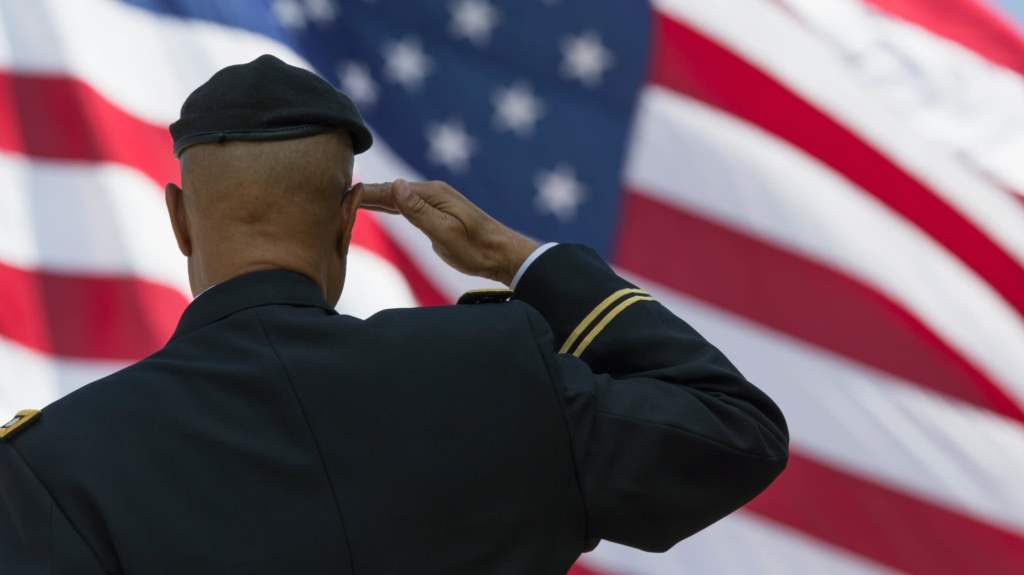
I’ve been thinking a lot about patriotism and love of country recently, leading up to a talk I gave in chapel at Tyndale last week just before Independence Day. While it seems that patriotism has fallen out of style in the US in recent years, at least on the political left, I personally love my country, and I love it when I get to travel and meet with people from other places who love their countries as well. I think patriotism is a good thing! I also think it’s biblical.
Of course, I don’t love everything about my country, its policies, its leadership, or its history. But I do think it’s possible to love your country as a Christian without being a so-called Christian nationalist, just as I think it’s okay to criticize things that are wrong in your country without hating everything about it.
I could, and likely will, write much more about this, but very briefly, here are my Top Ten Guidelines for Loving Your Country in a Biblical Way.
- Pray regularly for your country and its leaders.
- Recognize that nations are part of God’s providential design.
- Give thanks for what’s good about your country.
- Be honest about your country’s flaws.
- Actively seek your country’s welfare.
- Be an advocate, not an activist.
- Realize that your country is not God’s ultimate vehicle for redemption.
- Remember your primary citizenship is in heaven.
- Live in a way that reflects Christ’s Kingdom values.
- Proclaim the gospel—the only true hope for any country.
Here’s what’s happening.
UNESCO African Book Report Released
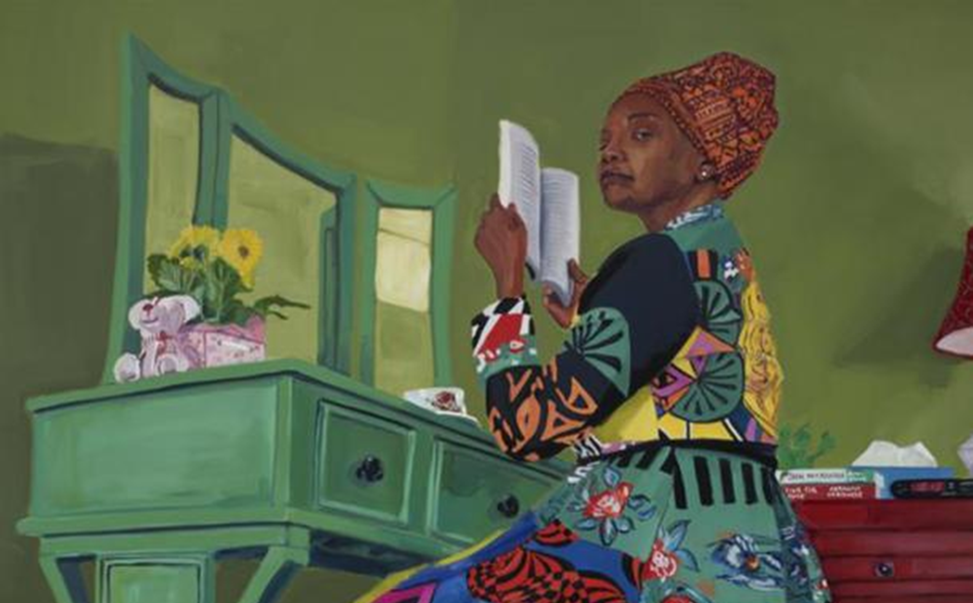
Two weeks ago, the United Nations Educational, Scientific, and Cultural Organization (UNESCO) released its first-ever comprehensive report on the state of publishing in Africa. The report, called The African Book Industry: Trends, Challenges, & Opportunities for Growth, maps the current state of publishing and bookselling in Africa and estimates that the continent’s book industry has the potential to grow from $7 billion per year to upwards of $18.5 billion per year with appropriate reforms and policy support. Notable and growing reading populations in Africa include women and young people, and UNESCO is partnering with select organizations to produce children’s literature. If any of this—publishing in Africa, challenges and opportunities in the book industry, women and youth as focus populations—sounds familiar, it’s because Tyndale House Foundation and our partners have been thinking about all of these issues for a long time! Our Africa Speaks program is aimed at exactly this sector and is working to develop a flourishing Christian publishing industry across Africa. The Africa Speaks Accord, developed in 2018 and reaffirmed by the Africa Speaks community in 2024, emphasizes the need for publishing children’s literature to develop a culture of reading in Africa. Happily, two of the UNESCO report’s researchers are already in the Africa Speaks orbit and were able to participate in a webinar hosted by Africa Speaks Executive Secretary Gathuku Kibunga last week for African publishers to learn more about the study and its findings. I find it encouraging that the UN has smart people thinking about publishing in Africa; let’s hope the momentum that already exists from Africa Speaks and other Christian publishing initiatives can help steer the UN researchers in the direction of some of our existing partners for maximum ministry impact.
Thriving Ministry in Burkina Faso
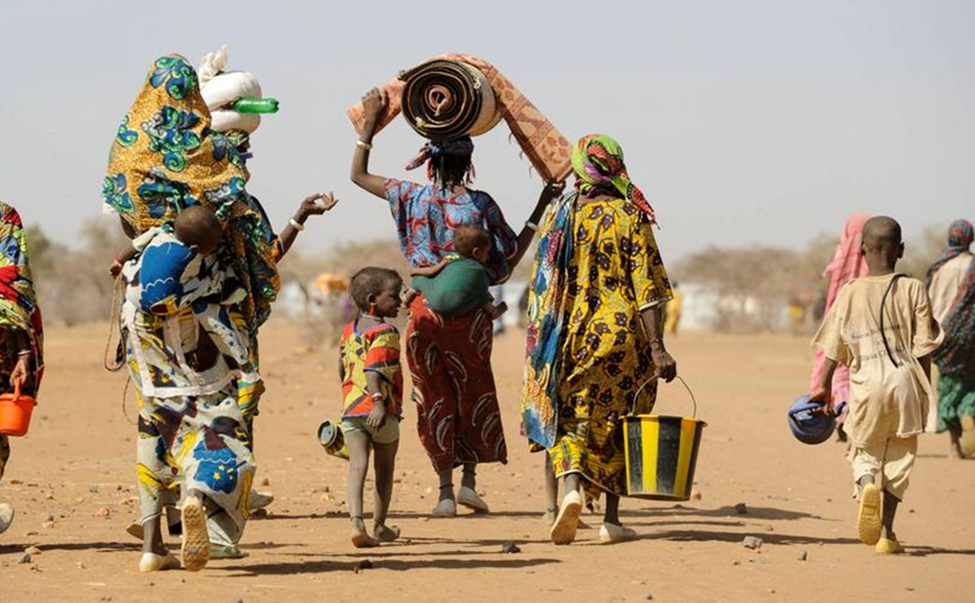
Burkina Faso, a landlocked country in central Africa, has always had its challenges, but the last few years have been particularly difficult. The country has been ruled by a military junta since the latest coup in 2022, with elections now delayed until 2029 due to security concerns. Terrorist attacks are common; Islamist and jihadist violence has led to thousands of civilian and military deaths in the last two years, and over 2 million people have been internally displaced. More than 60 percent of the country is now effectively outside of state control. The historically resilient people of Burkina Faso are desperate for positive change amid so much unrest and uncertainty. Yet in the midst of all this chaos, there is a bright spot in Ouagadougou, the capital city, where THF partner ACTS (which stands for Action Chrétienne Tous pour la Soliderité) is bringing hope to a culture in need. According to a report I received last week from executive director Joanna Ilboudo, in the last year, ACTS has served nearly 18,000 patients through their community health center, provided food support and trauma healing for 627 displaced children, and provided vocational training for 39 young women enrolled in the ACTS training program. ACTS also has 385 pupils enrolled in their formal primary and secondary education programs and provided high-level mentoring and leadership development for an additional 127 young people last year. Joanna wrote, “We would like to express our deep gratitude to all at Tyndale for standing in the gap with us. Thank you for praying and supporting the work we are doing.” Please continue to pray for the ministry of ACTS and for the people of Burkina Faso.
Tragedy in Syria
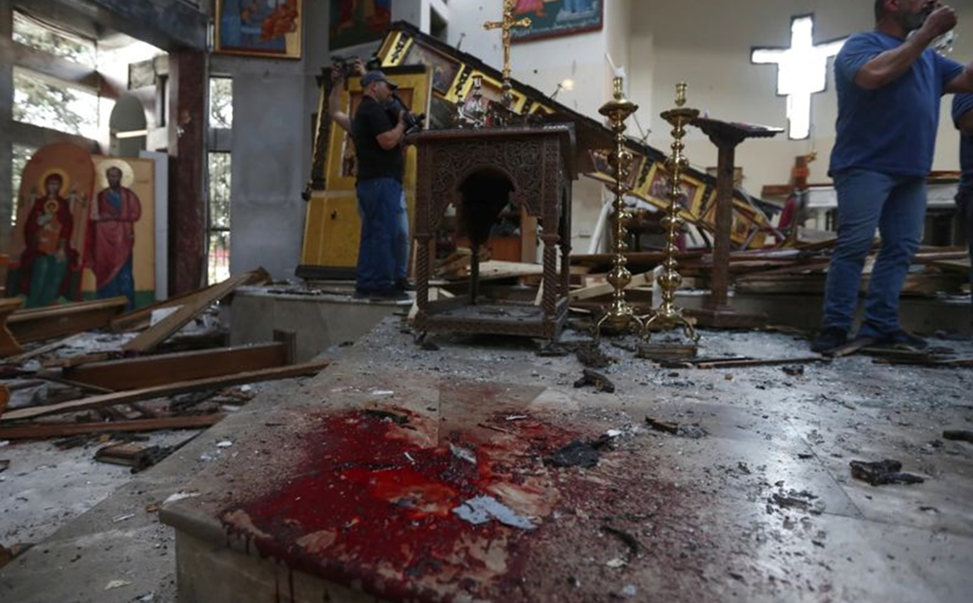
On Sunday, June 22, 2025, a terrorist entered the Mar Elias Greek Orthodox Church near Damascus, Syria, during the morning worship service. He was wearing a suicide vest and holding a gun. He opened fire on the 350 congregants and then detonated his explosive vest, killing at least 25 and wounding more than 60. Syrian president Ahmed al-Sharaa condemned the attack as a crime and offered condolences to survivors, but in his public comments, he did not mention that the attack had been directed at Christians, leaving some to wonder about the sincerity of his commitment to stopping future attacks. When the Syrian president took over after the fall of longtime dictator Bashar al-Assad in January of this year, many were hopeful for positive change, but others expressed concerns given that al-Sharaa has a background in terrorist groups like al-Qaeda in Iraq himself. Izdihar Kassis, a THF partner who was part of the Hiya Initiative that Tyndale participated in along with several other foundations, sent an email last week expressing her personal grief. She wrote, “Why didn’t heaven intervene and protect these innocent souls?” This is a question no one can answer right now, but we can join Izdihar in praying for survivors. She continued, “I gathered my wounds, wiped my tears, and comforted myself in silence, especially since I knew some of those who were killed.” She went on to express hope that this tragic event will result in many coming to Christ, as some have already done in the immediate aftermath. Please pray for the families of those who were killed, for wisdom for Syria’s leaders as they respond, and for peace in Syria and the region.
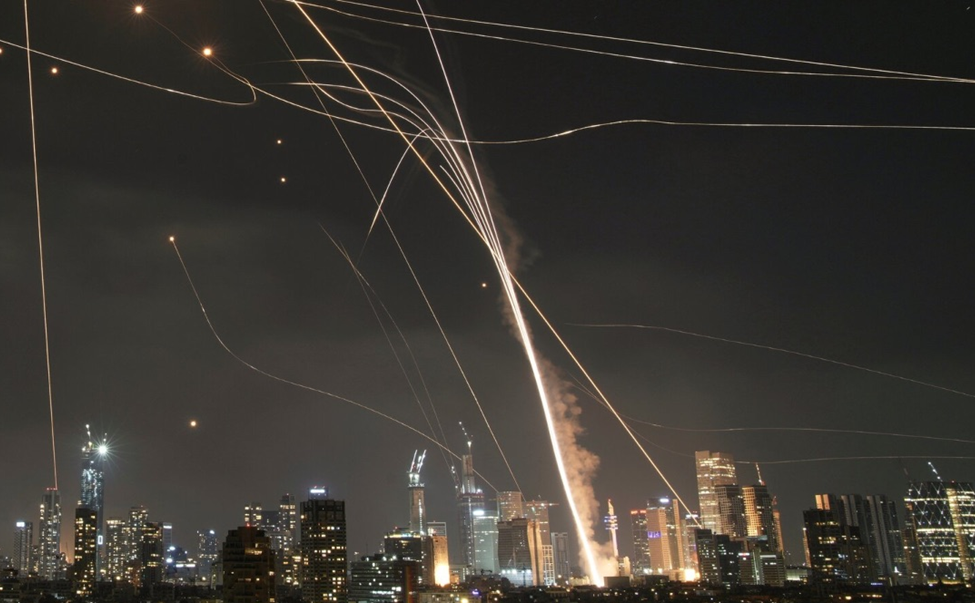
Ongoing Tension amid Israel–Iran Ceasefire
On June 24, 2025, after twelve days of missiles, airstrikes, and drone attacks in both directions, Israel and Iran agreed to a truce. Since then, there have been no major new strikes by either side, though some initial violations of the ceasefire occurred shortly after the truce took effect. Both Israeli and Iranian leaders continue to posture, but at least for now, the fragile peace is holding. But that doesn’t mean all is well in either country. In Israel, THF partner Rasha Saba, general secretary of FCSI (the IFES student movement in Israel), reported that an Iranian missile struck a building on one of the campuses where FCSI is active. Students had to be evacuated from the campus. Meetings of student groups have been difficult or impossible, certainly during the attacks, but even now, two weeks later, many groups are still meeting on Zoom. In Iran, THF partner Transform Iran reports that the situation has gone from bad to worse. Though many Iranians cheered the Israeli attacks at first, they are now dealing with shortages of food, water, gas, electricity, cash, and internet access. Furthermore, as expected, the Iranian government is dealing with its humiliation by increasing its control and surveillance over the population, especially Christians. Reports of heightened police activity in Christian areas are leaking out, and the IRGC is reportedly setting up checkpoints to ensure people—especially women—are dressing properly according to Islamic law. Please continue to pray for peace in the region, and pray especially for civilians in Israel and Iran who continue to suffer weeks after the missiles have stopped.
That’s it for this week’s briefing. Please send any questions, comments, and reports from 4th of July parades and firework displays to [email protected]. I send out this email resource most weeks primarily for a Tyndale audience, but you should feel free to share it with others who may be interested, inside or outside of Tyndale. Thanks for continuing to pray for and support our partners around the world.
Jeremy Taylor
President | Tyndale House Foundation
The THF Weekly Briefing provides information about significant events happening in the wide universe of Tyndale House Foundation partner organizations as well as an occasional peek behind the scenes of THF’s operations. It is available to anyone at Tyndale who’s interested in learning more about the Foundation side of the organization. Was this email forwarded to you? Contact [email protected] to be added to (or removed from) the distribution list.