

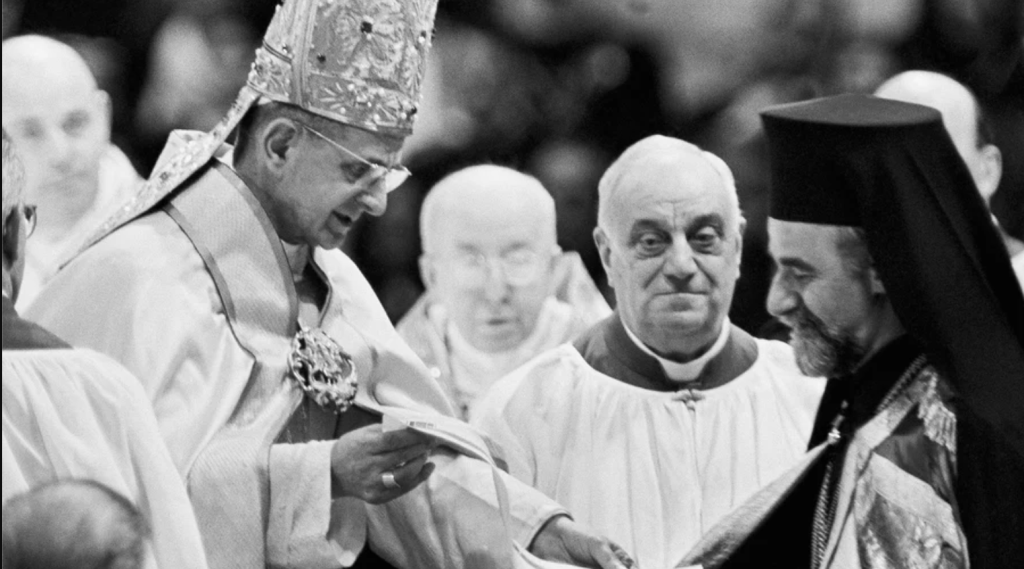
Vatican II at 60
December 12, 2025An event 60 years ago reshaped the landscape of global Christianity
Sixty years ago this week, a singular event dramatically reshaped the landscape of global Christianity.
The year was 1965. The place was Vatican City. And the event was the conclusion of a global council convened three years earlier to discuss how the church could more effectively meet the needs of believers in the modern world.
I’m talking of course about the Second Vatican Council, held in St. Peter’s Basilica from 1962 to 1965. The Council was convened by Pope John XXIII, who died before its conclusion, so it was Pope Paul VI who completed the council and oversaw the approval of the 16 documents produced by church officials.
The stated purpose of the Second Vatican Council was to bring the Roman Catholic Church “up to date” so it could speak more clearly to the modern world, renew its spiritual life, and, importantly, repair relationships with other Christians. Whether it was successful in accomplishing these goals has been a matter of debate for 60 years.
So why should this matter to us today, especially to those of us who are not Catholic? Tyndale House Foundation is not a Catholic institution. Since our founding in the early 1960s (while Vatican II was ongoing), Tyndale has always been evangelical, in the biblical, historical, nonpolitical sense of the word. Our statement of faith is adapted from the statement of faith adopted by the National Association of Evangelicals. We partner with other evangelical organizations. Why should we pay any attention to or even be aware of an event that was primarily significant to Roman Catholicism and that took place more than half a century ago?
One reason is that history matters, even when it’s not our own history. Vatican II was the defining religious event for an entire generation of Catholics, and we should be aware of what it meant then and what it means now.
Then there’s the cultural context in which Vatican II took place. The Council met against a backdrop of global upheaval, rising secularism, and a deep desire for Christian unity. It was, in fact, a cultural situation very similar in some ways to what the church is facing today. What might we be able to learn from the continuing ripple effects of Vatican II that have ramifications for the Global Church even outside the reach and influence of Roman Catholicism?
I mentioned that Tyndale House was founded during the same time period. In 1962, Living Letters, the first book published by Tyndale House Publishers, was the first popular paraphrase of the New Testament epistles. It struck a chord in mainstream culture because people were hungry for a version of God’s Word that they could easily understand. At the same time, Catholic leaders were rethinking the accessibility of Scripture within Catholicism.
One of the outcomes of the Council was a formal elevation of the role of Scripture in Catholic life. For centuries, the Roman Catholic Church had been cautious about lay access to Scripture—so much so that early translation pioneers like John Wycliffe and William Tyndale were persecuted and even killed for their efforts to put the Bible into the hands of ordinary people. While that level of opposition had disappeared centuries earlier, Vatican II marked the first time ordinary Catholics were not only permitted but actively encouraged to read the Bible for themselves. This meant that many Catholic-majority countries began to develop higher levels of Scripture familiarity than had been possible before Vatican II. Today, as non-Catholic organizations like THF look for ways to serve in these contexts, being able to use shared language about God’s Word and about specific issues like the necessity of Bible translation is tremendously helpful.
Another way Vatican II impacted evangelicalism was a new opening toward interaction and collaboration between Catholics and Protestants. Whereas non-Catholics had been formally labeled heretics, after the Council, Protestants, including evangelicals, were recognized as “separated brethren.”
Vatican II also marked a shift toward all believers—not just clergy—being called to live out and share their faith. Since gospel proclamation is one of the hallmarks of historical evangelicalism, the inclusion of every believer in the mandate to engage the Great Commission is a potential area of significant common ground between evangelicals and post–Vatican II Catholics.
I do not mean to minimize the differences between evangelical and Catholic theology. Those differences are real, and they’re significant. It’s also true that in some parts of the world, the relationship between Catholics and evangelicals has been marked by tension and even hostility, and there’s a lot of variance in the way Catholics and Protestants view the possibility of collaboration and dialogue in different regions. Vatican II did not erase these challenges. But 60 years after the Second Vatican Council, I hope we can view at least some of our differences not as insurmountable chasms but as gaps that can, in certain contexts, be bridged in service of the gospel.
The need for unity among followers of Christ has not diminished in the six decades since the end of Vatican II. I hope and pray that in the next 60 years, followers of Christ will continue to find ways to pursue unity in areas where it’s possible and demonstrate charity in the areas where it’s not.
Here’s what’s happening.
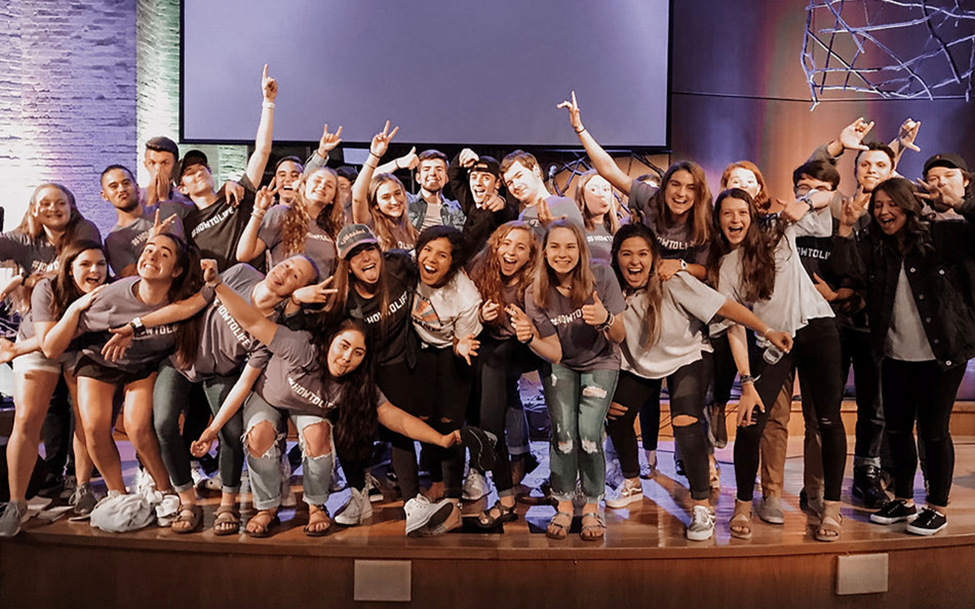
By Gen Z, For Gen Z
You’ve heard the statistics. You know the warning signs. The generation of young people born between 1997 and 2012, often called Gen Z, is the least religious in history. Fully a third of Gen Z young adults now claim no religion at all—a far higher percentage than previous generations at the same age. Weekly church attendance among Gen Z is in the single digits in most surveys. The number of young adults with a biblical world view has dropped to around 4 percent, while more and more Gen Z-ers view Christianity as irrelevant, hypocritical, or out of touch. The trendlines are clear: religious disengagement is accelerating. And yet . . . Gen Z shows more interest in the Bible than any other generation. Young adults are leading a surprising resurgence in church attendance in many countries and are more likely than their parents or grandparents to express their faith openly on social media. God is clearly moving among Gen Z! Is the church keeping up? One THF partner organization serving on the front lines of outreach to young people is HowToLife Movement, now celebrating a decade of ministry. This organization was founded by a Gen Z leader, has a growing global Gen Z leadership team, and is active all over the world reaching Gen Z for Christ. Unlike many ministries designed for young people, HowToLife is led by young people. In the past year alone, HowToLife leaders hosted events in ten countries on four continents and saw hundreds of new commitments to Christ. This youth-led organization is making a significant difference in the lives of Gen Z-ers around the world. Please pray for the leaders of HowToLife Movement as they continue reaching their generation, and pray for God to continue working in the lives of young people globally.
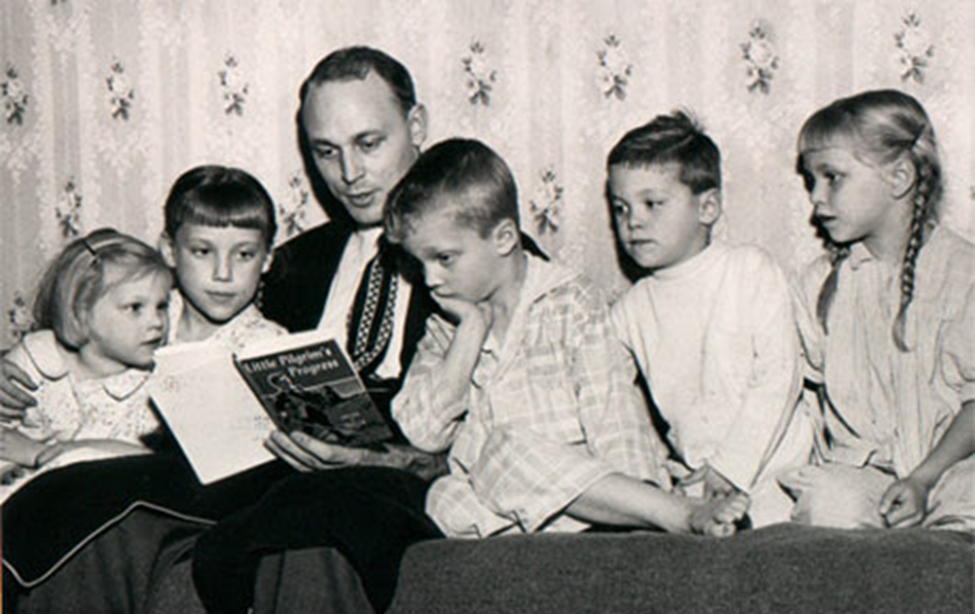
KNT Legacy Award Announced
CLC Kenya is a THF partner that publishes Christian books for distribution and ministry use in Kenya, throughout East Africa, and beyond. CLC leaders have been active participants in our Africa Speaks program since its inception in 2018, and we at THF have developed a close association with CLC Kenya over the years. Last year I was pleased to share the announcement that the Kenneth N. Taylor Legacy Award had been created for the best African book cover design, and this year I’m excited to share a new video that has been produced by CLC Kenya. The video talks about the award, but it also tells the story of Tyndale House and Ken and Margaret Taylor’s legacy of promoting Scripture engagement and practicing radical generosity. Fair warning: If you knew Ken and Margaret, you may notice that some of the AI-generated images in the video don’t look much like them. But the story and the recognition for excellent work in Africa are what’s most important here, not the visuals. Tyndale House Foundation and many of our partners have been working to promote cultures of reading and incentive structures for excellence in publishing in Africa for many years, so it’s encouraging to see CLC Africa engaged in both areas. And what a blessing to see the story and legacy of Tyndale continuing to inspire and motivate publishers across the continent.
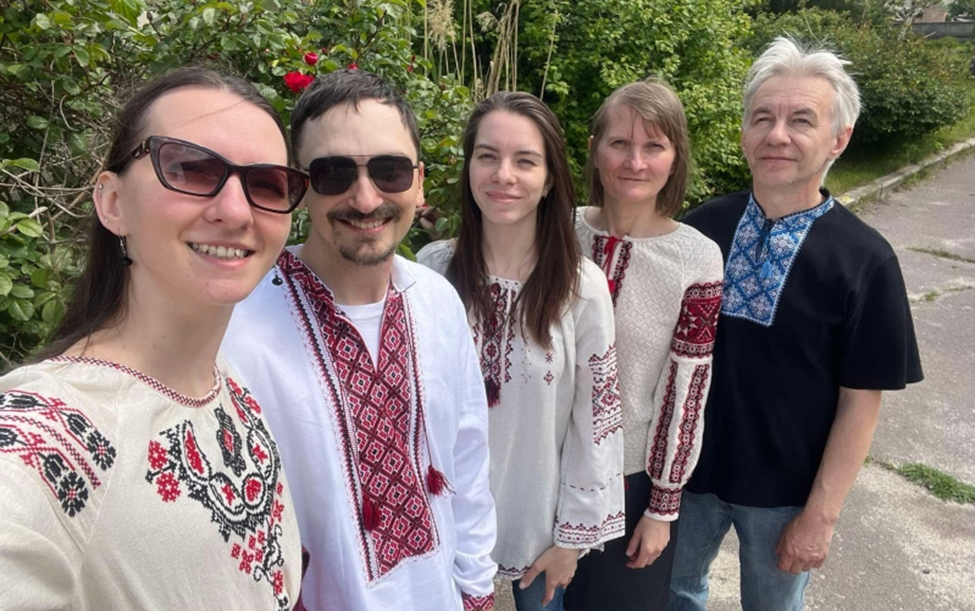
THF Publishing Partner Recognized
Media Associates International has announced the 2025 winner of the Robert B. Reekie Global Publisher Award. This award, named for MAI cofounder Bob Reekie (who also served on the THF board for many years), is given each year to a publishing ministry operating in a challenging region. This year’s award went to Ezdra Publishing House in Ukraine, a THF partner. THF staff first got to know Ezdra CEO Andriy Kravchenko through MAI’s LittWorld conference more than a decade ago, and we’ve been honored to partner with them on many projects in the years since. Notable examples include the purchase of new printing equipment and rehabbing an old bus that will soon function as a mobile bookshop. Ezdra is known for its resilience, innovation, and deep commitment to getting Bibles and Christian literature into the hands of Ukrainian readers. When war broke out in Ukraine in February 2022, electricity became a significant issue throughout the country as Russian missiles have targeted civilian infrastructure, including power plants. To help Ezdra continue operating despite frequent outages, THF invested in solar panels that now provide reliable power for the publisher. Andriy and his team have served faithfully for many years, and their work is more important now than ever as the war continues to draw people into churches. It’s great to see this partner honored by the international Christian publishing community! Please continue to pray for our partners who are seeking to meet people’s physical and spiritual needs as war in Ukraine rages on, and please keep praying for peace and divine justice in Ukraine.
Ministry Fruit in South Sudan
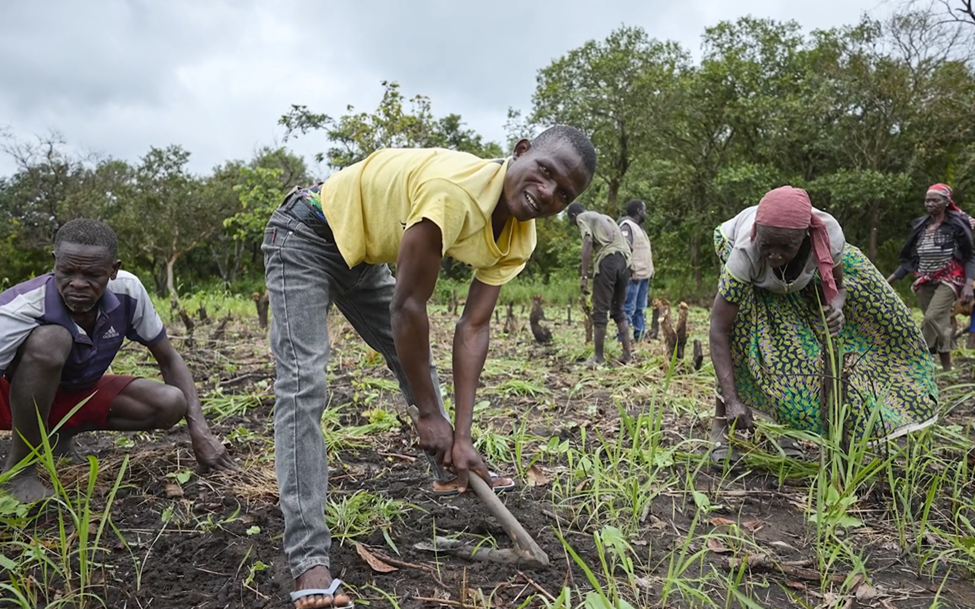
Ever since the East African nation of South Sudan gained independence in 2011, it has struggled with recurring cycles of political violence, natural disasters, and widespread economic instability, leaving much of the population facing acute food insecurity, displacement, and limited access to basic services. The ongoing conflict in neighboring Sudan has exacerbated preexisting issues as hundreds of thousands of displaced people have poured across the border into South Sudan, overwhelming already fragile humanitarian systems. Tyndale House Foundation has worked with several partners in South Sudan for years in an attempt to rebuild infrastructure, provide education, increase internet access, and lift people out of poverty. Because the news from that part of the world is often discouraging, it’s a special blessing when we hear about positive ministry outcomes there. Yesterday I received one such report from World Relief, a THF partner that has been serving the people of South Sudan through local churches and church networks. Their programs include community savings groups, skills training, nutrition assistance, and more, all rooted in a model that emphasizes local leadership and long-term sustainability. Rather than simply providing endless aid, World Relief helps communities work toward self-sufficiency and then steps back as they continue forward on their own initiative. I encourage you to watch this video for a glimpse of what this looks like in several areas where THF and World Relief have partnered. Please pray for our partners in South Sudan that continue to wrestle with the many obstacles to successful ministry that exist there, and praise the Lord for the fruit we are seeing through the efforts of World Relief and church partners.
That’s it for this week’s briefing. Please send any questions, comments, and any memories of what you were doing 60 years ago to [email protected]. Do you enjoy reading the THF Weekly Briefing? Make sure you’re subscribed to the email distribution list to get access to this resource the same day it’s published each week, and feel free to share it with others who may be interested, inside or outside of Tyndale. Thanks for continuing to pray for and support our partners around the world.
Jeremy Taylor
President | Tyndale House Foundation
The THF Weekly Briefing provides information about significant events happening in the wide universe of Tyndale House Foundation partner organizations as well as an occasional peek behind the scenes of THF’s operations. It is available to anyone who’s interested in learning more about Tyndale’s philanthropic commitments, partners, and operations. Was this email forwarded to you? Contact [email protected] to be added to (or removed from) the distribution list.