

When Anger Beckons
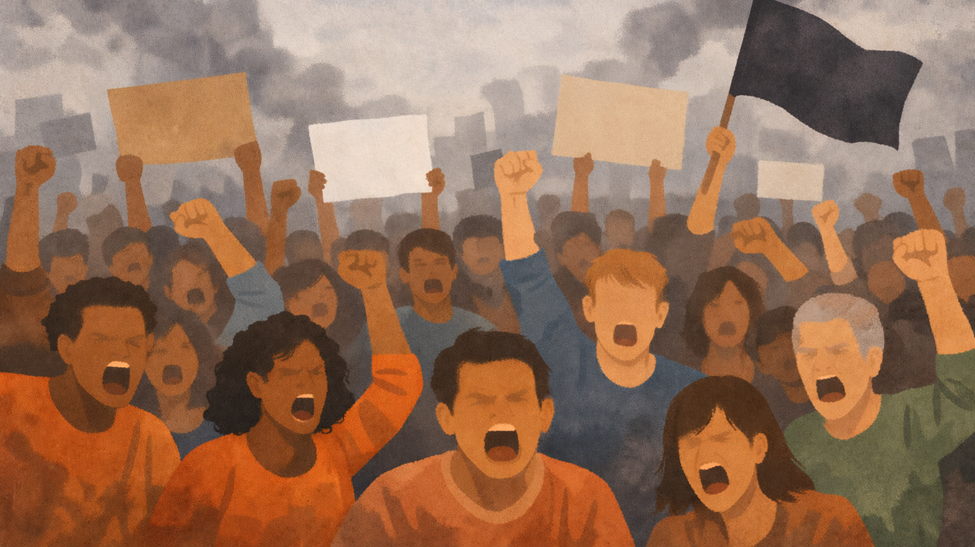
January 31, 2026Is it okay for Christians to be angry?
Can Christians protest? Should they protest? Should Christians counterprotest?
What is the correct Christian response when injustice rears its ugly head or a city erupts in chaos?
I don’t think it’s overly dramatic to call what’s happening right now in Minneapolis a crisis. We’re living through a cultural moment that is exposing deep fear, anger, and social tension. What are we to make of it all?
You’ll have to look elsewhere for political commentary about immigration, law enforcement, and protests. It won’t be difficult; there is no shortage of vitriol from both the left and the right, including among Christians. It seems we’re being pulled into outrage from all directions. Different voices highlight different injustices, but the deeper issue is what we as Christians should do with our grief and anger.
Is it okay for Christians to be angry? Clearly the answer is yes, especially about things that make God angry. What we must not allow is to be controlled by our anger. Whoever we view as the enemy in a given situation, we must not wish them harm or rejoice in their downfall. Longing for justice is not the same thing as seeking retribution.
Christians also should not be agents of chaos. It’s one thing to peacefully protest injustice, whether in Minneapolis or Tehran. But when action and response—on any side—slides into violence and lawlessness, we’ve crossed a line. Christians are called to be seekers of peace. I like what someone wrote this week at the Christian news commentary site The Pour Over: “Believers can be at the forefront of de-escalating tension in our communities, meeting anger with compassion and humility.” Let politicians raise the temperature; we should seek to lower it.
The Bible makes this clear. Proverbs 15:1 says, “A gentle answer deflects anger.” Colossians 4:6 says, “Let your conversation be gracious and attractive so that you will have the right response for everyone.” James 1:19 says, “You must all be quick to listen, slow to speak, and slow to get angry.”
Of course, being slow to get angry doesn’t mean moral indifference. God himself is slow to anger (Exod. 34:6), but he does get angry at sin (Psalm 7:11; Mark 3:5). Christians can and should get angry about things that anger God, but we must be careful to guard our hearts, because when we’re angry, even righteously, we’re at maximum risk (Eph. 4:26-27). Instead of allowing our anger to control us, we must focus on redemptive action, compassionate confrontation, and prayer, releasing our desire for vengeance and leaving that up to God (Rom. 12:19).
Being slow to anger also does not mean ignoring suffering or refusing to stand with vulnerable people who are afraid, displaced, or mistreated. Scripture instructs us to love our neighbor, and faithful obedience calls us to act as the hands and feet of Jesus in our communities.
What does all this mean for Minneapolis? For that matter, what does it mean for Iran or Ukraine or Gaza? When something makes us angry, what is a righteous response?
First, we should examine our anger. John Piper writes, “One of the signs of righteous anger is that it comes slowly and leaves quickly.” We should be honest about whether we’re experiencing genuine anger at sin and injustice or unhealthy rage at our circumstances or the actions of our political opponents. We should pray about our anger and be sure we’re seeking justice and not retribution. Our anger should be aligned with and subject to God’s.
Second, we should control our anger. It’s okay to be angry, but not if anger is accompanied by sinful actions. Screaming, cursing, and rioting are not expressions of self-control.
Third, we should express our anger redemptively. It’s not helpful to keep anger bottled up where it can grow and become a foothold for the devil (Eph. 4:27). We should talk about our anger in appropriate settings and even act on it in appropriate ways. This is easier said than done, but it can be done. Jesus did it, and he’s our best example. James 1:20 says, “Human anger does not produce the righteousness God desires.” We need to be sure our anger is rooted in Scripture, not our own passions.
Fourth, we need to position our anger under Christ. Remember your anger is not going to solve the world’s problems on its own. There’s a place for righteous anger, but our primary role is faithful obedience. Vengeance is God’s, and the ultimate solution is not our anger but Christ’s love.
Finally, we should frame our anger. Make sure you’re not getting all your information from only one source or from only one side of the issue. Proverbs 18:17 reminds us that “the first to present his case seems right, until another comes forward and questions him.” We are called to test what we hear (1 Thess. 5:21), not simply absorb one-sided narratives that inflame outrage.
Are you angry? That’s okay. God gets angry too. Just make sure you’re controlling your anger, not the other way around. When anger rises, discern it, discipline it, direct it, and surrender it.
Here’s what’s happening.
Religion Trends
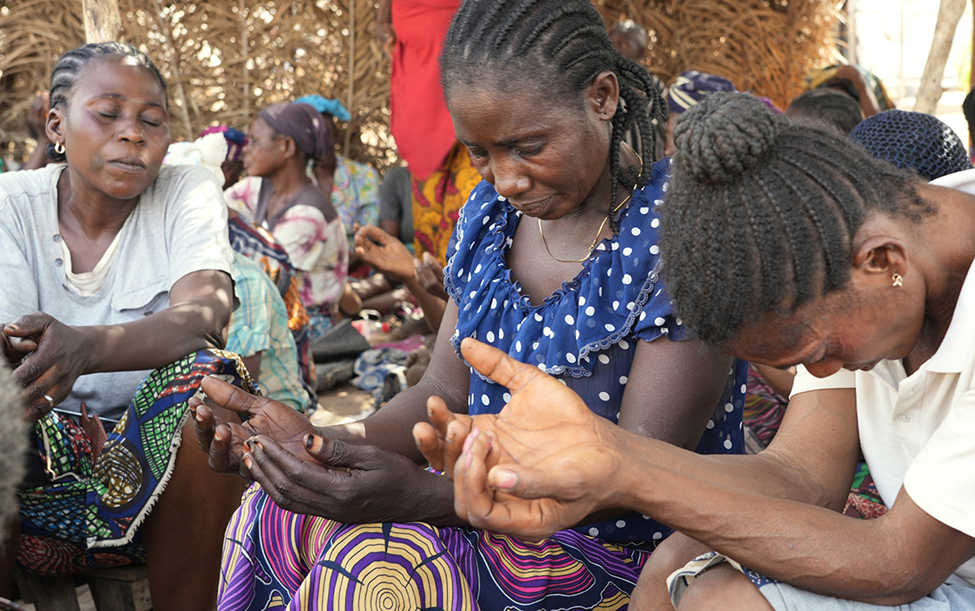
On New Year’s Day, news site ReligionUnplugged published an article highlighting key religion trends to watch in 2026, including rising antisemitism, culture-war tensions, persecution in Nigeria, and the growing impact of AI on faith communities. Interestingly, THF staff are currently reviewing proposals connected to each of these themes as we prepare for our April 2026 grantmaking cycle. One partner in Israel is planning reconciliation events to bring together Jews, Muslims, and Christians. Another proposal focuses on ministry to women considering abortion—one of the most persistent culture-war flashpoints. We are looking at multiple proposals from organizations in Nigeria and at least one focused on using AI tools for ministry. It’s encouraging to see our partners engaging strategically with trends that reflect the challenges and opportunities facing the global church today. Please pray for wisdom and discernment for the THF staff and board as we review these and many other proposals in the weeks ahead.
Ministry during Four Years of War
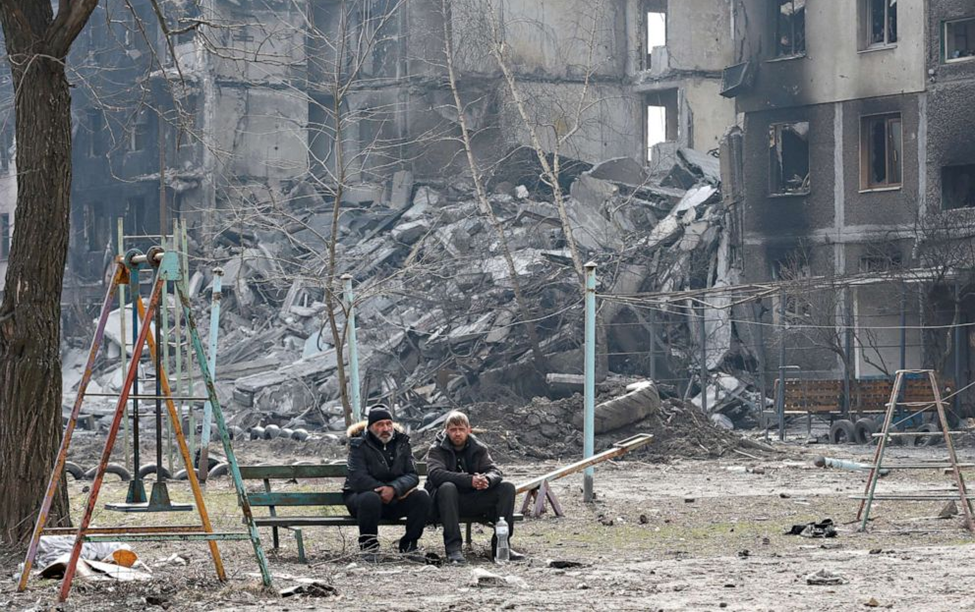
A full 1,437 days have passed since Russian forces launched their major military offensive into Ukrainian territory. Four years later, the war rages on with little evidence of meaningful peace overtures from Russia. Since the war began, THF has supported several partners in Ukraine laboring to serve the most vulnerable in the war-torn nation. Earlier this month, Taras Dyatlik, who works with multiple THF partner organizations including ScholarLeaders and Mesa Global, gave an update on the relief activities that THF grants have helped support since February 24, 2022. Some of the figures include:
- 15,744 individuals evacuated from dangerous areas
- 14,242 displaced people given temporary shelter
- 55,746 people provided with meals, clothing, medical care, legal assistance, and resettlement support
- 732,757 individual food boxes and packages distributed
- 7,969 tons of food and essential supplies transported to communities near the front lines
- 1,684,636 Bibles and New Testaments given to displaced people, military personnel, and those living in war zones
- 16,419 people with disabilities given specialized care
Please continue to pray for our partners in Ukraine, and consider making a financial contribution to support their ongoing work with refugee assistance, Bible distribution, and mental health care.

American Religion by the Numbers
Statistics about religion can be hard to grasp, and if you’re like me, you may find it difficult to interpret the numbers we see. Luckily for us, Pew Research Center just published a simple and helpful way to visualize the spiritual landscape of the United States. Instead of thinking about hundreds of millions of people, Pew invites us to imagine the entire country as a small town of just 100 residents. In this town, 25 people say they attend religious services at least once a week, 8 go once or twice a month, and 18 go a few times a year, while 49 seldom or never attend services. Eighty-three people in this town express a belief in God. Fifty-four believe strongly. Only 16 don’t believe at all. Thirty-eight people say religion is very important to them; 18 say it’s not important at all. And 44 say they pray daily or multiple times a day, while 23 pray weekly or monthly, and 32 pray hardly ever or not at all. Thinking of an entire country as a town of 100 people makes the numbers easier to comprehend. It also highlights the gap between belief and spiritual practice. We need to keep telling people about Jesus! And while these statistics focus on the US, they remind us that spiritual needs exist globally as well as locally. Most THF grants are focused outside the US, but we do partner with some local organizations that meet people’s spiritual needs in our own community. Let’s join with the 44 people in our town of 100 who pray regularly, and ask God to bring more and more people into a relationship with him.
THF Partners Release Lausanne Occasional Paper
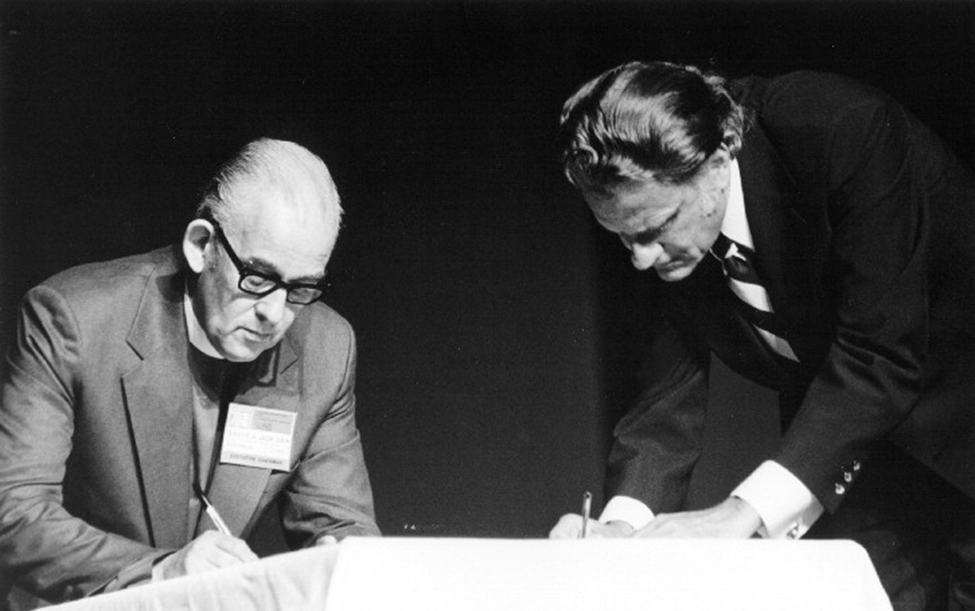
In 1974, Tyndale House Foundation gave a grant to fund the historic Lausanne Congress on World Evangelization, helping to launch a movement that has shaped global evangelical mission for more than five decades. Through the years, a series of influential follow-up Lausanne gatherings and statements have both informed and reflected the church’s growing understanding of what it means to engage the Great Commission. A recent paper comes from Lausanne’s Children At Risk Issue Network, which is co-led by Phil Green, CEO of UK-based THF partner Viva. The paper was edited by Lucy Kajidori, who has received THF scholarship funding to support her doctoral studies at Fuller Seminary. Its authors argue that children are not merely passive recipients but active participants and agents in the mission of God, with unique perspectives and contributions that enrich the church’s witness. It’s not a short read, but it’s a meaningful example of what can develop when THF partners collaborate. I invite you to read it to stimulate your own thinking and reflections about the role of children in mission.
That’s it for this week’s briefing. Please send any questions, comments, and anger-management techniques to [email protected]. Do you enjoy reading the THF Weekly Briefing? Make sure you’re subscribed to the email distribution list to get access to this resource the same day it’s published each week, and feel free to share it with others who may be interested. Thanks for continuing to pray for and support our partners around the world.
Jeremy Taylor
President | Tyndale House Foundation
The THF Weekly Briefing provides information about significant events happening in the wide universe of Tyndale House Foundation partner organizations as well as an occasional peek behind the scenes of THF’s operations. It is available to anyone who’s interested in learning more about Tyndale’s philanthropic commitments, partners, and operations. Was this email forwarded to you? Contact [email protected] to be added to (or removed from) the distribution list.